How Long Does a B2B Website Rebuild Actually Take?
.svg)
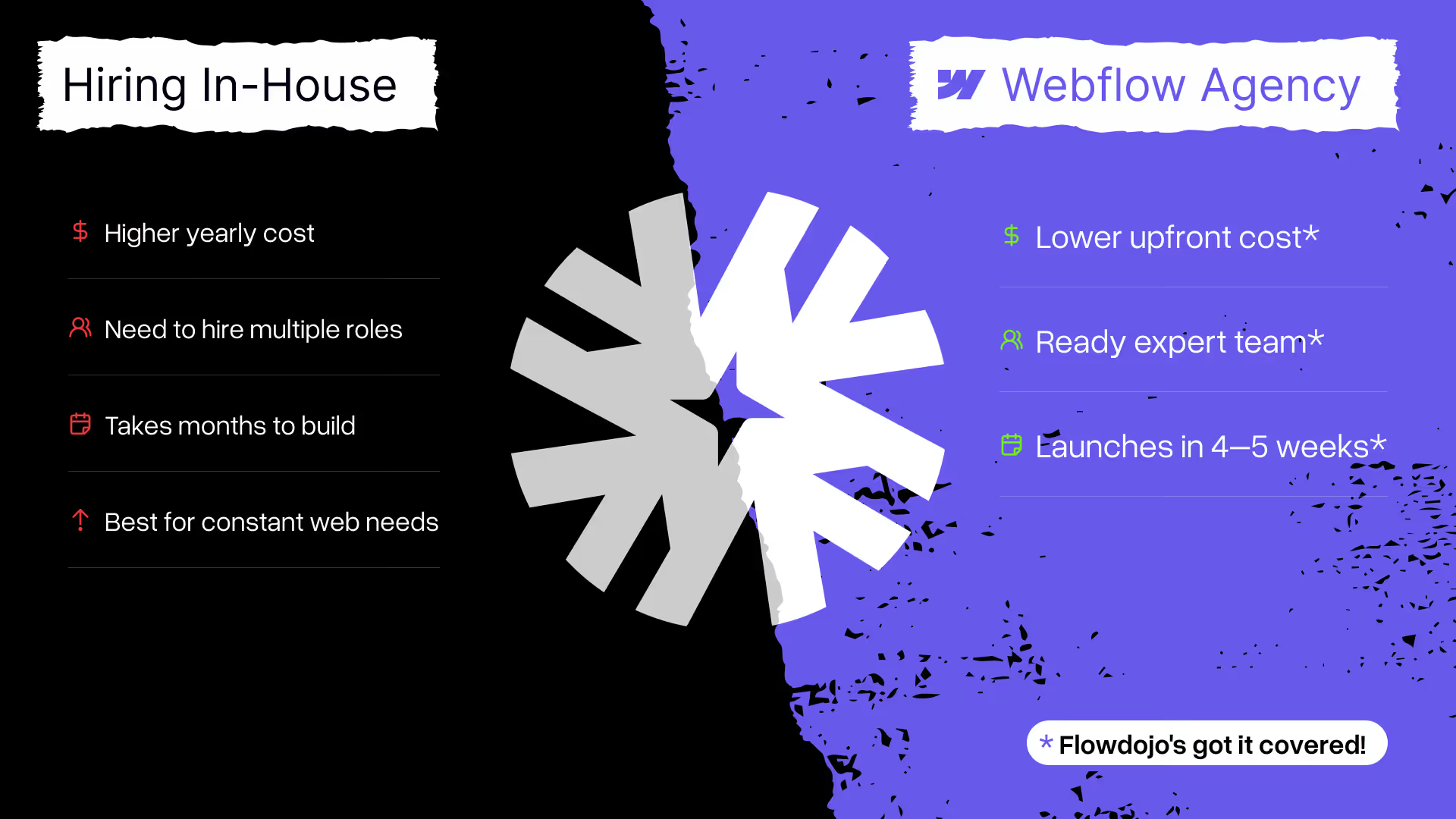
Every agency tells you "six to eight weeks." Then it's fourteen weeks and everyone's frustrated. Here's why that happens and what an honest timeline actually looks like.
The short answer by project type
Simple five-page build with no migration: four to five weeks. Brand identity plus website: five to six weeks. Ten-to-fifteen pages with CMS and integrations: six to eight weeks. Migration from WordPress or HubSpot with a large blog: eight to twelve weeks. Complex enterprise build with twenty-plus pages, multiple integrations, and custom animations: twelve weeks or more.
Our fastest project was four days. XYLO needed a four-page site with a custom Three.js animation environment, full QA, and technical SEO. We delivered it in four days because the scope was locked, the content was ready, and the client was available for feedback immediately. That combination almost never exists.
Why most projects take longer than the estimate
It's almost never the agency. The delays I see most often come from the client side, and they're all predictable:
Content isn't ready. The single biggest cause of timeline overruns. Design can't be finalised until copy exists, and copy that says "Lorem ipsum will be replaced with final content" is not real content. If you're starting a redesign and your copywriter hasn't started yet, add three to four weeks to whatever timeline you've been quoted.
Feedback cycles take longer than expected. A twenty-four-hour turnaround on design feedback rounds is achievable. A one-week turnaround is not. Every round of revisions that takes five days instead of one day adds a week to the timeline. On a twelve-page project with four rounds of feedback, that's potentially a month slipped.
Stakeholder approvals weren't built into the process. The CMO who needs to sign off on the homepage wasn't told about the project until week three. Now there's a new round of comments that contradicts what the marketing manager already approved. This is solvable with a clear brief and decision-maker alignment at the start — but it requires someone to have that conversation before kickoff.
Scope changes mid-project. "Can we add a pricing page?" mid-build isn't a small request. It requires design, development, QA, and potentially rethinking the information architecture. Scope changes are fine — they just need to come with a timeline conversation, not an assumption that it'll fit in the existing schedule.
How we keep projects on time
We lock scope in writing at the end of week one. The sitemap, page list, functionality scope, and any integrations are documented and signed off before a pixel of design begins. This sounds bureaucratic, and it is a little. It's also the only reliable way to prevent the conversation three weeks later where expectations don't match.
We also build feedback windows into the schedule explicitly. Week two: design feedback due by Wednesday. Week four: development QA feedback due by Thursday. Deadlines that don't exist get missed.
What you can do to speed up your project
Have your copy ready before kickoff, or at least your homepage and key service pages. Have your brand guidelines and any existing assets in one place. Nominate one person as the decision-maker for design approvals — not a committee. Respond to feedback requests within 48 hours. None of this is complicated, but it makes a real difference to whether a project takes five weeks or ten.
Getting a real timeline
Book the free audit call. We'll walk through your site, your scope, and your content situation, and give you a specific timeline — not a range wide enough to drive through. If something about your situation makes a project take longer, we'll tell you upfront.
Related Posts

Full transparent pricing breakdown — from $5,000 starter builds to $20K+ enterprise projects. Real numbers from 135+ builds.

8 things to check before hiring a Webflow agency: portfolio quality, process transparency, pricing, retention rate, turnaround speed. Advice from a Webflow Premium Partner.